Background
As end-to-end data management and the associated growth in data volumes increase, the need is rising for the digital capture, documentation, and analysis of construction, operational, and maintenance data from building services systems, along with continuous feedback into the BIM model. Practical, close-to-implementation testing in pilot projects across planning, construction, and operational practice, supported by scientific evaluation, is a key prerequisite.
Project Objective
Given the large number of data points available in building automation systems, the project aimed to establish a methodology for automated data analysis to make fault detection easier. Methods were to be developed to derive information on operation and operational changes from time-series measurement data and route it into fault handling. In addition, models for validating HVAC networks were to be generated by integrating BIM data from the building and then used for analysis.
Results
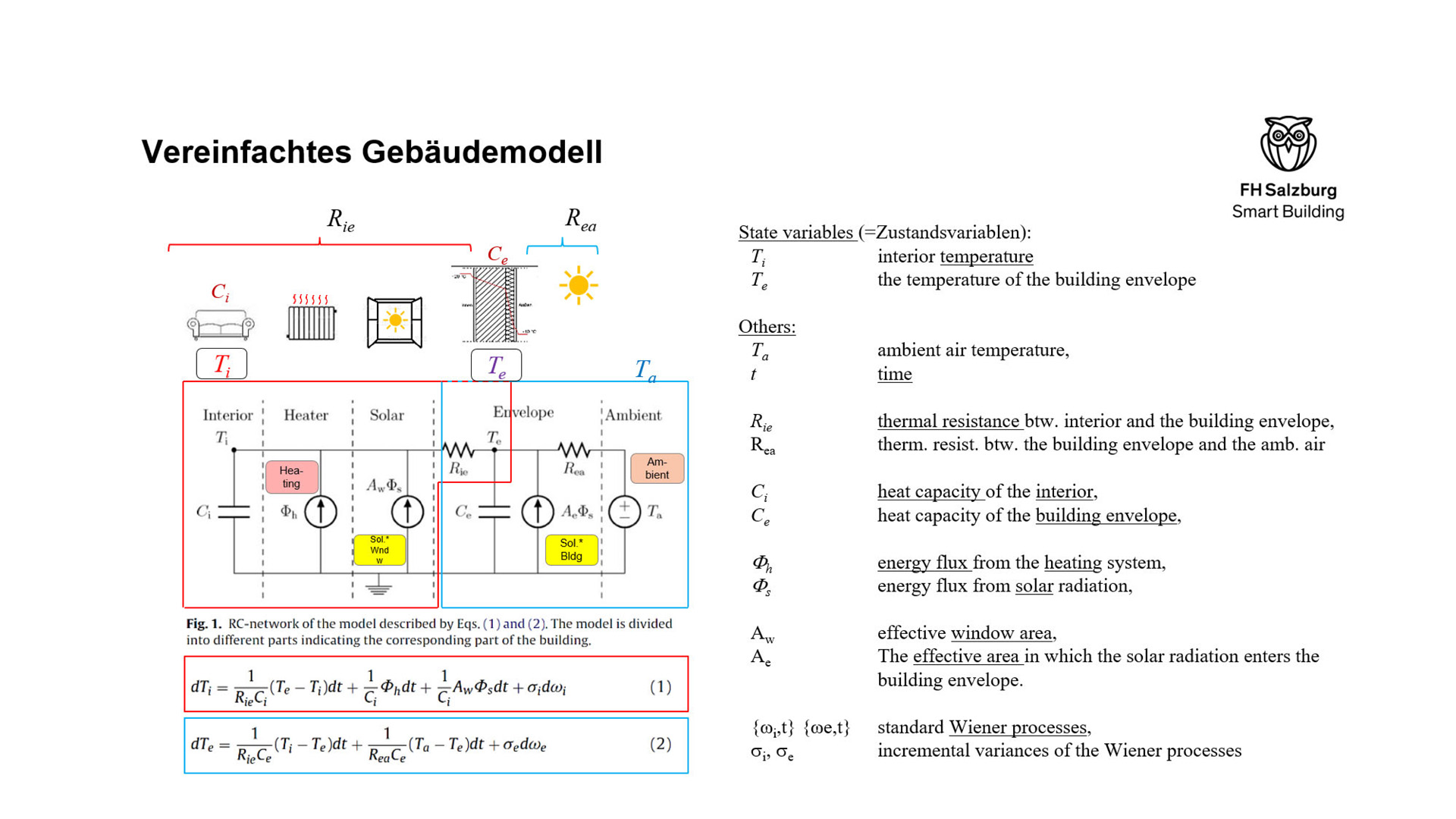
Tests using measurement data from research buildings enabled the identification of faults in building services systems by detecting deviations between simulated and real data. First, building models were parameterized using normal-operation data; second, forecasts were generated using current measurement data; third, faults were detected based on the difference between simulation-model forecasts and current measurement data. The modeling spectrum ranged from black-box models that were easy to parameterize, to more detailed gray-box models, to highly complex building models parameterized via BIM interfaces. In a further step, measurement data from real buildings were used, which differed substantially from research buildings in terms of available building data (BIM model), measurement points, and user behavior.